Rona Barrett Foundation: Building Senior Futures
The foundation’s mission is to prevent homelessness and improve quality of life for low-income seniors in Los Angeles County through housing, health, and supportive services. Founded by Rona Barrett to respond to visible senior need across greater Los Angeles, the foundation has focused resources on housing stability, accessibility retrofits, and integrated wellness programs that keep older adults safe in their homes and communities. The work emphasizes measurable outcomes: fewer evictions, fewer emergency placements, and improved health indicators for participants.
Core values and guiding principles
Services prioritize dignity, equity, and person-centered planning. Programs center choice, cultural competence, and trauma-informed practices. Partnerships with county agencies, health systems, and legal advocacy groups reinforce sustainability and compliance with federal funding streams (including HUD and state aging funds). Transparency in outcomes, strategic reserve funds for emergency aid, and continuous intake evaluation guide resource allocation.
Community programs overview
Programs fall into four pillars: stable housing, health and wellness, social engagement, and economic stability. Most operations concentrate in Los Angeles County, home to more than one million residents aged 65 and older, where housing cost burdens and medical access disparities are significant drivers of senior homelessness. Programming is designed for people aged 60+ with low incomes, veterans, and those exiting institutional settings.
Health and wellness programs
Health work integrates primary care partnerships, mental health counseling, chronic disease management, and nutrition services coordinated with local providers. Strategic linkages exist with community clinics and health plans that serve Medi-Cal and Medicare beneficiaries to reduce avoidable emergency department visits and hospital readmissions.
Primary care partnerships focus on mobile outreach, care coordination, and transitions-of-care for recently discharged seniors. Mental health services include short-term counseling, trauma-informed case management, and referrals to psychiatry when needed. Chronic disease programs use nurse-led telemonitoring, medication reconciliation, and group education for conditions such as diabetes, COPD, and hypertension.
Nutrition initiatives pair daily meal deliveries with nutrition assessments and culturally appropriate menus. Meal distribution leverages certified vendors and volunteer networks to reach housebound seniors in neighborhoods with high food insecurity rates.
Social engagement and enrichment
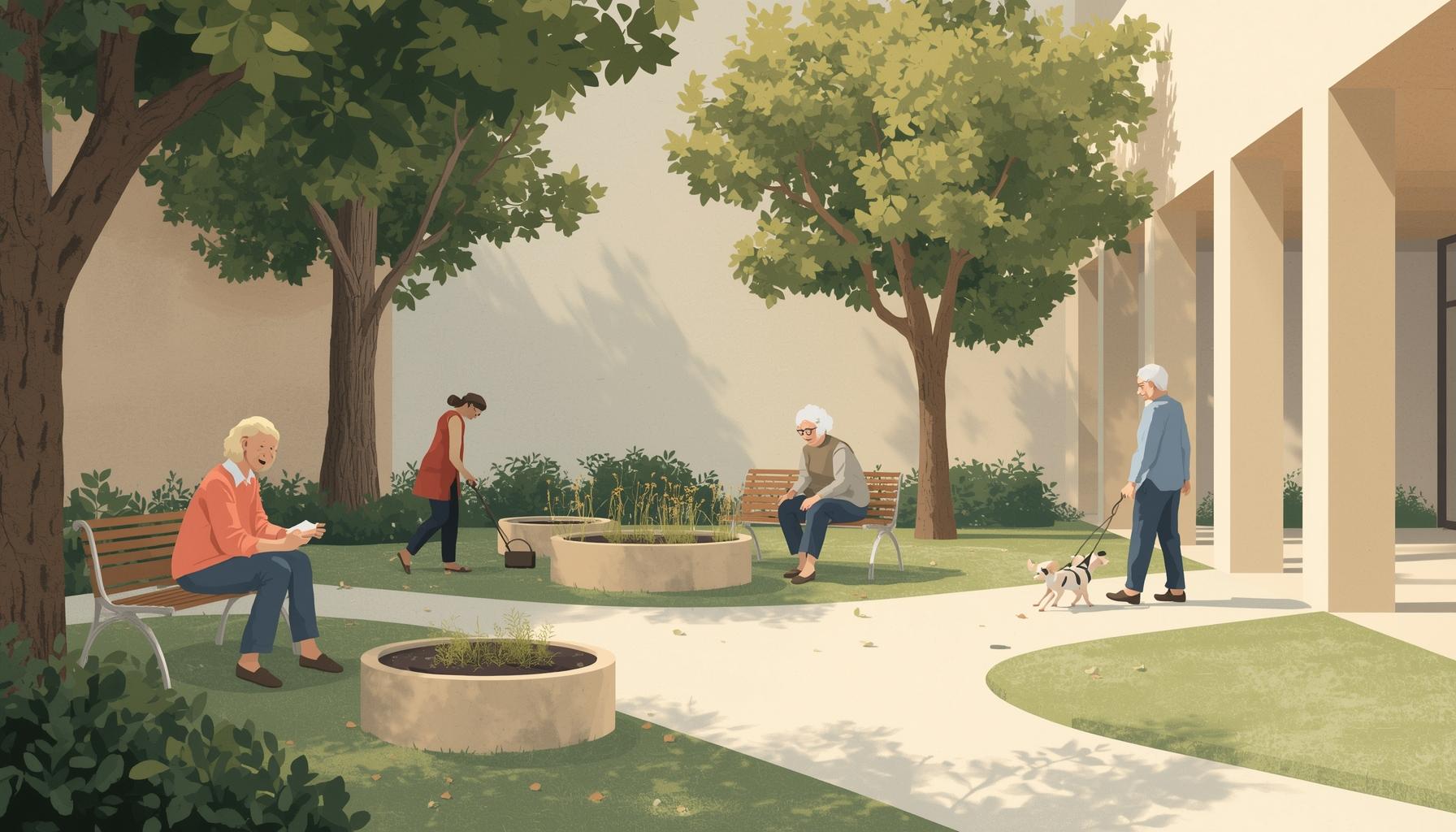
Programs address social isolation through daily activity centers, arts and music sessions, and structured intergenerational projects linking local schools and youth groups. Day programs operate with eligibility targeting those who would otherwise be homebound and provide respite for caregivers while offering cognitive stimulation and peer connection.
Education, training, and economic support

Digital inclusion classes teach basic computer skills, online benefits navigation, and safe telehealth use. Vocational training focuses on light employment options suitable for older adults seeking supplemental income, often coordinated with local workforce boards. Financial assistance includes emergency grants for rent arrears, utility reconnections, and benefit navigation with trained counselors who assist with Medicare, Medi-Cal, and Supplemental Security Income applications.
Legal aid partnerships provide tenant rights clinics and representation through local organizations specializing in elder law and eviction defense.
Transportation, mobility, and volunteer engagement
Door-to-door rides, shuttle services to medical appointments, and volunteer driver programs reduce missed appointments and social isolation. Volunteer roles include meal delivery, friendly visiting, class instruction, and housing navigator support. Community collaborations extend to faith-based groups, municipal aging departments, and mission-driven corporations that provide pro bono services or funding for capital projects.
Program evaluation and outcomes measurement
Key performance indicators include housing retention rates, exits to permanent housing, reductions in hospital utilization, and improvements in self-reported wellbeing. Quarterly outcome reports are shared with funders and partners to guide continuous improvement. Success stories highlight stabilized tenants who avoided institutional care and seniors who regained independence after home modification.
Fundraising, sustainability, and future plans
Fundraising blends individual philanthropy, special events, and competitive grants from state and federal sources. Donor stewardship emphasizes impact reporting and named-program opportunities. Expansion plans focus on replicating successful neighborhood models across additional Los Angeles communities, leveraging technology for case management efficiency and piloting remote monitoring tools that reduce costs while improving outcomes.
How to access programs
Eligibility typically requires age 60 or older and income below established thresholds tied to Los Angeles County median income guidelines. Referral pathways include county aging agencies, community clinics, 2-1-1, and self-referral via the foundation’s website. For current program availability, eligibility details, and local resource lists, visit the foundation web pages or use the online contact form to request intake assistance.